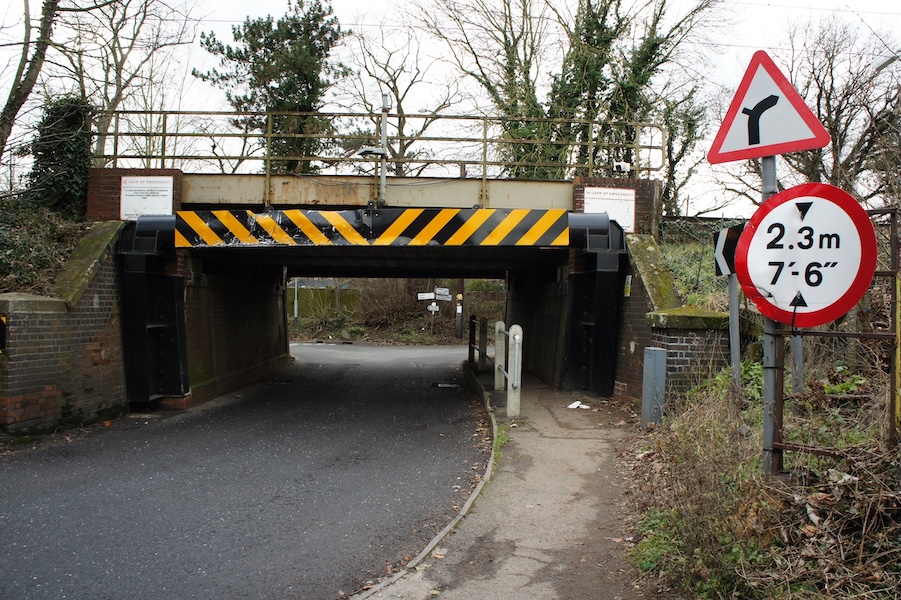
Bridge strikes are set to peak this month, with commercial fleet operators facing almost double the daily number of incidents seen across the rest of the year.
According to Network Rail, Britain averages around five bridge strikes a day, but that figure almost doubles in October, making it the peak month for incidents.
The organisation attributes the seasonal increase to factors including shorter days and increased delivery activity in the run-up to peak.
LMP Legal, which specialises in commercial fleet and transport law, is warning that with bridge strikes expected to near-on double this month, operators need to be aware that the consequences of an incident can extend far beyond the immediate cost of vehicle damage.
Most vehicles involved in railway bridge strikes are HGVs and buses, with each incident costing around £13,000 on average and the cumulative impact costing the UK taxpayer an estimated £23 million a year.
As well as presenting a sizeable financial burden, bridge strikes can cause significant disruption to both road and rail networks.
While the total number of reported bridge strikes has fallen by around 18% over the past decade, from 2,039 incidents in 2017 to 1,666 between April 2024 and March 2025, the latest figures suggest the longer-term decline should not lead to complacency. The 2024/25 total represented an 8.75% increase on the previous year.
Network Rail’s latest campaign research also found that 43% of lorry drivers admitted to not measuring their vehicle before setting off, while 52% said they did not take low bridges into account when planning their route.
For operators, the implications can extend well beyond the immediate incident. A bridge strike can result in police involvement and proceedings before the Traffic Commissioner, opening the operator up to scrutiny of the circumstances surrounding the collision, meaning the actions of the individual driver might not be the only issue under consideration.
Investigators will also likely examine the systems and procedures an operator had put in place, including driver training, route planning, vehicle height information, the use of technology such as AI-enabled camera and warning systems, and the steps taken to manage the risk.
As a result, operators need to be able to demonstrate not only that appropriate policies and procedures were in place, but that they were properly communicated, understood and implemented in practice, with evidence that reasonable steps had been taken to identify and manage the risk of a bridge strike.
Where police attend an incident, drivers and their employers may also be required to provide information or statements, making it important that they understand their legal position from the outset and know how any evidence or information should be handled.
Charlotte Le Maire, Founder and Partner at LMP Legal, believes that having access to specialist legal advice at an early stage is critical to ensuring both drivers and operators understand their responsibilities and the potential implications of an incident before the situation escalates.
The immediate aftermath can also involve further investigations, with police seeking to establish how the collision occurred and operators needing to liaise with infrastructure owners and other organisations.
She therefore stresses that having specialist legal support available from the outset can help ensure both drivers and operators understand how to respond.
She said: “A bridge strike can very quickly become much more than a vehicle damage or insurance issue. While the immediate priority will understandably be dealing with the incident itself, operators also need to consider the wider legal and regulatory implications.
“Clear procedures, a good understanding among drivers of what is expected of them and access to appropriate legal support can all help operators respond much more effectively when something goes wrong. Without these safeguards, scrutiny can quickly move beyond the actions of the individual driver and towards the operator’s wider systems, procedures and approach to compliance.
“Following an incident, drivers may also be dealing with considerable stress and shock, which can affect their ability to think clearly and accurately recall events. Access to specialist legal representation at the scene is therefore vital in protecting their interests, ensuring they receive appropriate advice before making statements or answering any questions.”
While the longer-term trend remains one of decline, the latest increase, combined with October’s position as the peak month for bridge strikes, should serve as a warning to operators not to become complacent.
For the haulage sector in particular, the approach of Black Friday and Christmas can bring increased pressure, with more vehicles on the road, tighter delivery schedules and, in some cases, drivers working on unfamiliar routes. When combined with shorter days and changing weather conditions, the margin for error can become even smaller.
She continued: “Proactively preparing for potential incidents should be no different to preparing for peak itself. Now we’re well into October, we would urge haulage, bus, and coach operators to make sure they have robust processes in place to prevent bridge strikes, as well as a clear plan for what happens if one does occur.
“Effective driver training, route-planning procedures and accurate vehicle-height information can all help reduce the risk. Operators should also consider how they will respond in the immediate aftermath, including who needs to be contacted and what support drivers may need.
“Being prepared before an incident happens can make a real difference to how effectively it is dealt with and help limit the wider fallout.”